

Subject Matter and Objectives
How can we use our oceans sustainably? The international master’s program in Sustainable Maritime Engineering addresses this central question and combines engineering with the challenges of sustainability. Whether it’s low-emission ships, intelligent underwater robotics, or energy generation from the oceans, the program provides the knowledge needed to develop innovative solutions for a sustainable maritime future.
The program is designed for anyone who is passionate about the ocean and future technologies and who cares about environmental issues and sustainability. Creativity, a passion for international collaboration, and an enthusiasm for technology are ideal prerequisites.
Through its cooperation with the Ocean Technology Campus, the Fraunhofer Society, and the Leibniz Institute for Baltic Sea Research in Warnemünde, the program offers unique opportunities. Students benefit from access to innovative research facilities and practical projects, such as the use of the Nienhagen artificial reef. The program’s consistent international focus and the double-degree program with other European universities are distinctive features. This program is unique in Germany.
On June 23, 2025, the university’s Rectorate awarded this program the ”Internally Accredited Program" seal of quality.tesiegel.
Sustainable Maritime Engineering (M.Sc.)
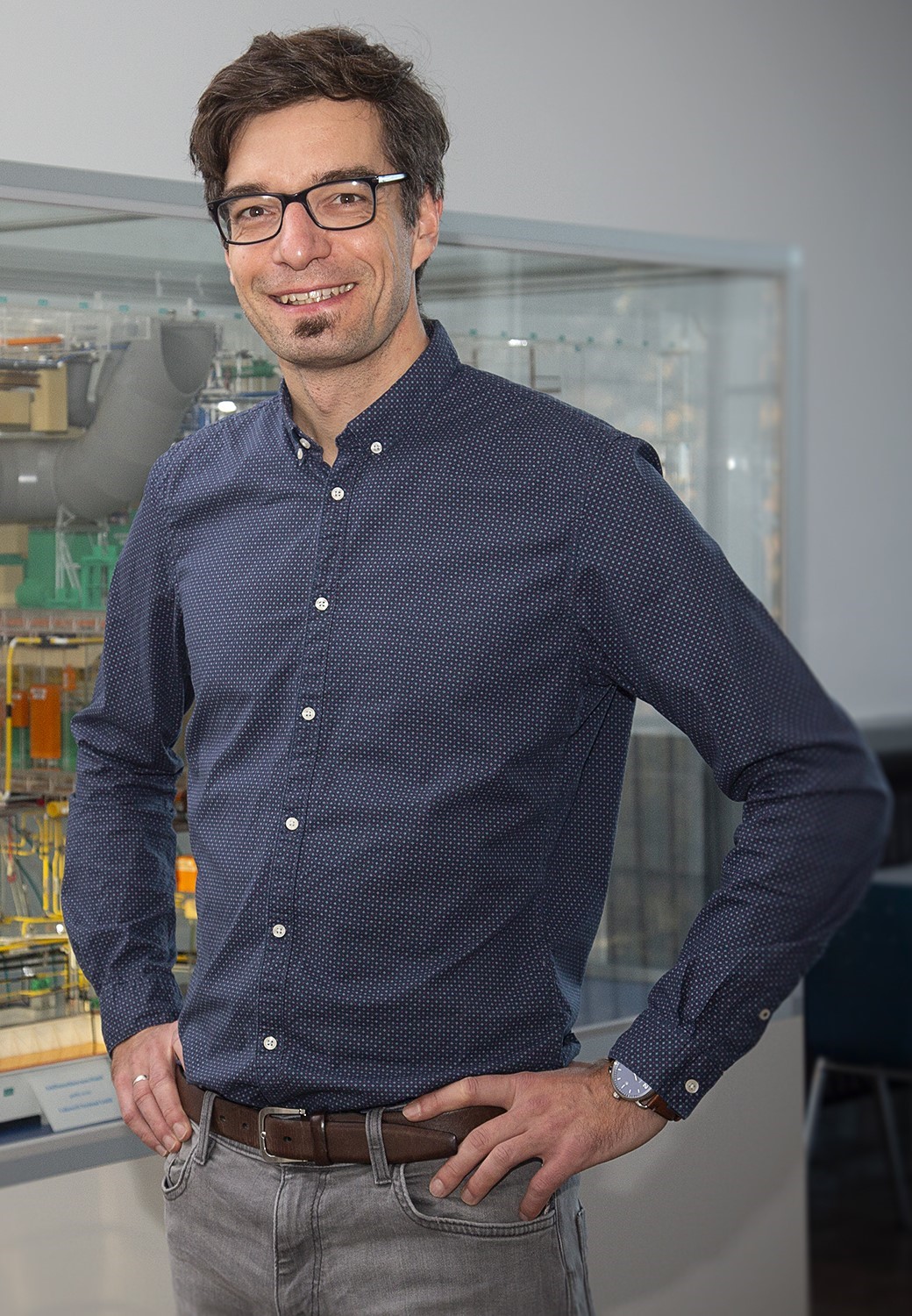
- Prof. Dr.-Ing. Florian Sprenger
- florian.sprenger(at)uni-rostock.de
- +49 381 498-9270
Course Schedule


In addition to a broad foundation in engineering, students can choose from three areas of specialization:
- Naval Architecture: Design of modern, low-emission ships
- Ocean Engineering: Design of offshore technical installations, e.g., for energy generation
- Underwater Technologies: Intelligent systems and robotics extending into the deep sea
The program promotes collaboration in international teams and the application of theoretical knowledge in real-world projects. Field trips, laboratory courses, and the use of modern research infrastructure, such as the research vessel “Limanda,” enrich the hands-on learning experience.
The program promotes collaboration in international teams and the application of theoretical knowledge in real-world projects. Field trips, laboratory courses, and the use of modern research infrastructure, such as the research vessel “Limanda,” enrich the hands-on learning experience.
Regulations
- Englisch:
- Deutsch:
- Rahmenprüfungsordnung (RPO) für die Bachelor- und Masterstudiengänge der Universität Rostock 2024 (unofficial reading version)
- Anerkennungssatzung (unofficial reading version)
- Moduldatenbank (do not log in)
- Erste Satzung zur Änderung der Studiengangsspezifischen Prüfungs- und Studienordnung für den Masterstudiengang Masterstudiengang Sustainable Maritime Engineering der Universität Rostock vom 8. September 2025
- Studiengangsspezifische Prüfungs- und Studienordnung für den Masterstudiengang Sustainable Maritime Engineering der Universität Rostock vom 13. Januar 2025
- Course Handbook (incl. Specific Examination and Study Regulations) → Unofficial (translated) reading version